COVID-19
COVID-19 (coronavirus disease 2019) is a disease caused by the Severe Acute Respiratory Syndrome Coronavirus 2 (SARS-CoV-2) virus. This respiratory virus can be very contagious and spread quickly through the air when an infected person coughs, sneezes, or talks. Anyone infected with COVID-19 can spread it, even if they do not have symptoms. More than 1.2 million people have died of COVID-19 in the United States. Learn more about COVID-19 from the Centers for Disease Control and Prevention (CDC).
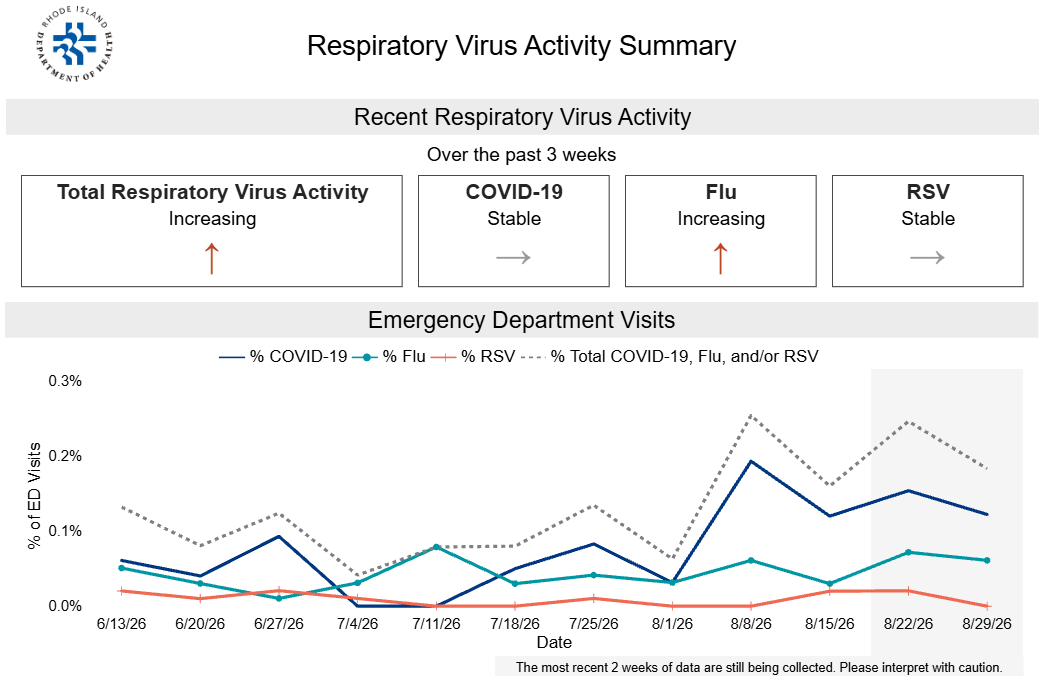
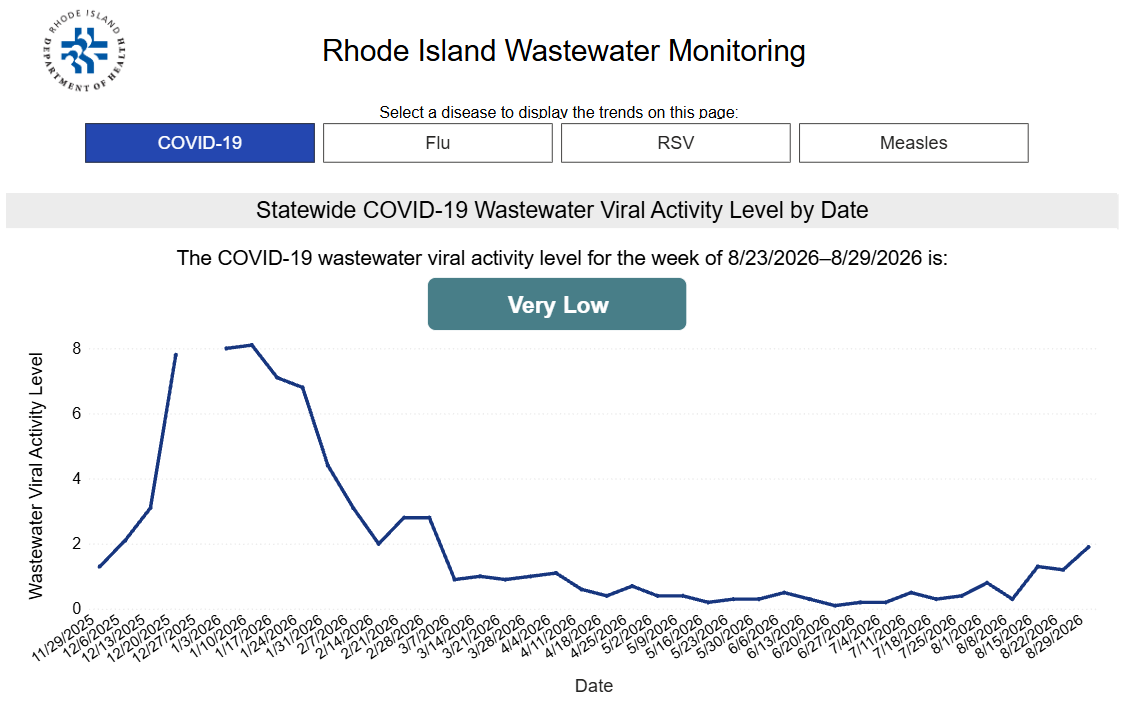
For Rhode Island COVID-19 numbers, visit our Respiratory Virus Data page.
At-Risk Populations
Many factors can make it more likely for someone to become very sick from a respiratory virus, including COVID-19. There are several specific considerations for people with certain risk factors for severe illness.
CDC offers separate, specific guidance for healthcare settings, including nursing homes, for COVID-19.
Symptoms
COVID-19 primarily affects the respiratory system and can cause symptoms ranging from mild cold- or flu-like illness to more serious respiratory illness, including pneumonia. Symptoms may appear 2-14 days after exposure to the virus. People with these symptoms may have COVID-19:
- Cough
- Shortness of breath or difficulty breathing
- Fever or chills
- Muscle or body aches
- Sore throat
- Headache
- Nausea or vomiting
- Diarrhea
- Runny nose or stuffy nose
- Fatigue
- Recent loss of taste or smell
This list does not include all possible symptoms. Other parts of your body may also be affected by the disease. Children have similar symptoms to adults and generally have mild illness.
When to Seek Emergency Medical Attention
If you or anyone you know is having the following symptoms of COVID-19, call 911 or get yourself or that person to the nearest hospital right away. Tell 911 or the hospital that you or that person has COVID-19 and tell them which of these symptoms you or they have:
- Trouble breathing
- Ongoing pain or pressure in the chest
- New confusion
- Inability to wake or stay awake
- Bluish lips or face
This list does not include all possible symptoms. Call your healthcare professional for any other symptoms that are severe or concerning to you.
Long COVID
Some people who have been infected with the virus that causes COVID-19 can experience long-term effects from their infection. These effects are known as Long COVID or Post-COVID Conditions.
How It Spreads
This respiratory virus can be very contagious and spread quickly through the air when an infected person coughs, sneezes, or talks. Anyone infected with COVID-19 can spread it, even if they do not have symptoms.
Prevention
The CDC recommends that healthcare providers promote COVID-19 vaccines as the best tool available to prevent Long COVID and promote additional measures to prevent acute COVID-19 and reduce the severity of COVID-19 illness.
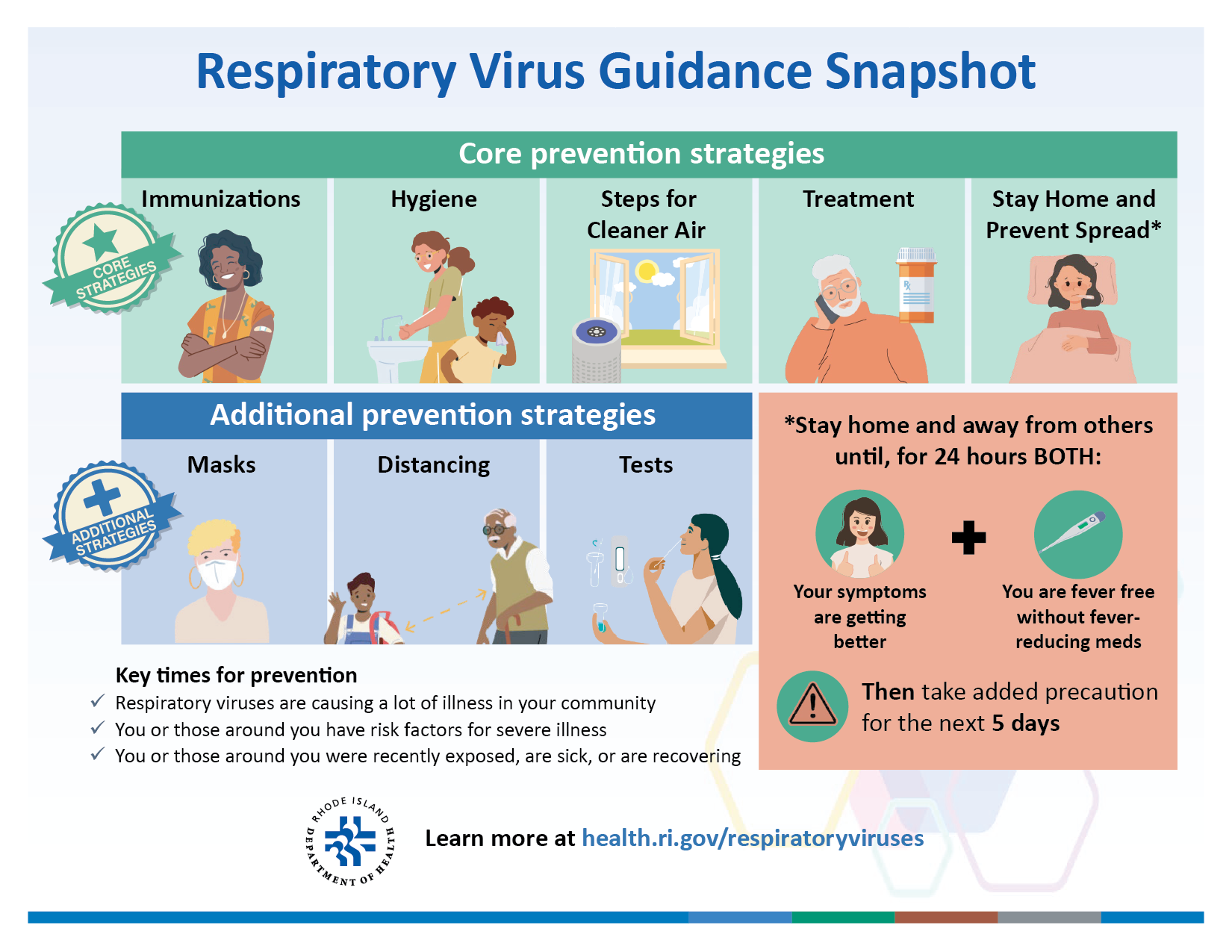
The CDC recommends that all people use prevention strategies to protect yourself and others from COVID-19 and other respiratory illnesses.
Vaccination
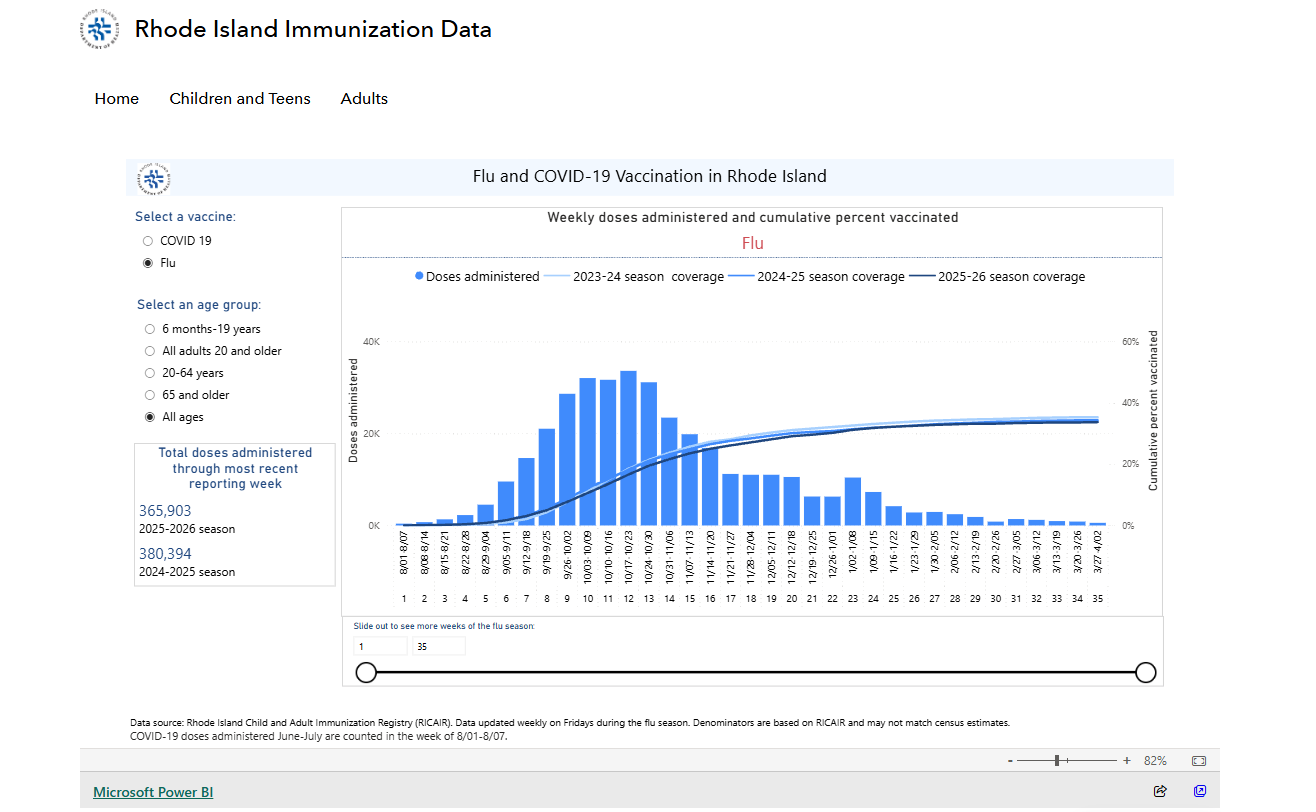
To stay protected against COVID-19, it’s important to keep your vaccines up to date. This means getting the latest COVID-19 vaccine when you are eligible. Everyone age 6 months or older can get the COVID-19 vaccine.
Updated Vaccines
The Food and Drug Administration (FDA) approved the updated 2026-2027 Moderna, Pfizer, and Sanofi (Novavax) COVID-19 vaccines in August 2026. These vaccines target currently circulating variants and provide improved protection against severe illness, hospitalization, and death for the following age groups:
- Moderna: age 6 months or older
- Pfizer: age 5 years or older
- Sanofi (Novavax): age 12 years or older
A second dose of the 2026-2027 COVID-19 is recommended for some people:
- The American Academy of Family Physicians (AAFP) recommends a second dose for people age 65 or older.
- The Infectious Diseases Society of America (IDSA) recommends a second dose for people who are moderately or severely immunocompromised.
Where To Get Vaccinated
- You can get COVID-19 vaccines at your usual healthcare locations such as doctors’ offices and pharmacies. Ask your healthcare professional or pharmacy if they offer the COVID-19 vaccine.
- To find COVID-19, flu, RSV, and pneumococcal pneumonia vaccines based on your location and vaccine type, visit VaxAssist.
Community Clinics
2026-2027 vaccination clinics are held at schools in the late afternoon and evening and are open to the entire community. You can currently register for flu vaccine and COVID-19 vaccine, which will be available at these clinics for people age 3 or older. Register for school and community clinic vaccinations at schoolflu.com.
- It's safe to get both vaccines at the same visit
- No insurance required
- No out-of-pocket cost for vaccination
- You can get the 2026-2027 COVID-19 vaccine even if you haven't gotten a COVID-19 vaccine in the past
You must pre-register to guarantee an appointment. You can select any available timeslot as a placeholder. Walk-ins are accepted on a limited basis, as resources allow.
Transportation to Vaccination Appointments
You can use public transportation to get to many vaccination sites across the state. To view routes and walking distances, use RIPTA’s Trip Planner at ripta.com. If you need help, call RIPTA’s Customer Service team at 401-781-9400.
Anyone enrolled in Medicaid or older than age 60 can use the Non-Emergency Medical Transport Service provided by MTM. Book transportation online at mtm.mtmlink.net or call 855-330-9131 (TTY: 711) at least 2 business days before your appointment.
Other Ways to Prevent COVID-19
To find out if you can get prevention medications, call your primary care provider or child’s pediatrician, local healthcare clinic, or pharmacist. Make sure to check with your insurance provider about coverage and any out-of-pocket costs.
Taking Medication After You’re Exposed to COVID-19
XOCOVA (ensitrelvir) is a prescription medicine used to help prevent COVID‑19 in adults and children age 12 and older after contact with a person who has COVID‑19. XOCOVA targets a part of the COVID-19 virus that plays a key role in how multiplies.
Taking Medication Before You’re Exposed to COVID-19
Some people who are moderately or severely immunocompromised can take medication for added protection against COVID-19 before they’re exposed to someone who has COVID-19.
Along with vaccination, Pemgarda (pemivibart) may provide another layer of protection against COVID-19 for people age 12 and older who are moderately or severely immunocompromised and weigh at least 88 pounds. You can get it at least 2 weeks after getting a COVID-19 vaccine.
Frequently Asked Questions on the Emergency Use Authorization for Pemgarda (pemivibart), FDA
Testing and Diagnosis
- Testing for COVID-19 and other respiratory viruses when you feel sick can help guide decisions to further protect yourself and others.
- Testing may be most helpful if you are at higher risk of getting very sick so you can seek healthcare quickly and start treatment, if appropriate.
How can I get tested for COVID-19?
- Whether you have symptoms or not, you can use COVID-19 self tests to learn your COVID-19 status in 15-30 minutes. These are also called at-home tests or over-the counter tests. You can buy them through pharmacies and online retailers.
- Call your primary care provider or child’s pediatrician, local healthcare clinic, or pharmacy to find out if they offer COVID-19 testing or if they can order a test through a laboratory.
Be sure to check with your insurance provider about coverage and any out-of-pocket costs.
Treatment
Treatment for COVID-19 is most important if you are at high risk of becoming very sick from COVID-19. If you’re at high risk, treatment can prevent hospitalization and death. Treatment may also reduce your risk of getting Long COVID.
People who are more likely to get very sick from COVID-19 include:
- Older adults, especially age 75 or older, with risk increasing with advancing age
- People who are unvaccinated or not up to date on their COVID-19 vaccines
- People with certain medical conditions, such as chronic lung disease, heart disease, or a weakened immune system
- CDC reports pregnancy and recent pregnancy as conditions with conclusive evidence indicating an increased risk for at least one severe outcome from COVID-19
Don't Delay
If you get sick and are at high risk for severe illness from COVID-19, talk to your healthcare professional about the treatment that’s best for you as soon as your symptoms start. You must start treatment within 5-7 days of when you first have COVID-19 symptoms. Treatment is more effective if you start it as soon as symptoms start. You do not need a positive COVID-19 test to start treatment.
COVID-19 Treatment Options
Several prescription medications treat mild to moderate COVID-19 in people who are more likely to get very sick from COVID-19. These antiviral medications target specific parts of the virus to stop it from multiplying in the body once someone is infected, helping to prevent severe illness and death. Talk to your healthcare professional about the treatment that’s best for you as soon as your symptoms start.
Treatment Resources
- FDA Fact Sheet on Paxlovid
- FDA Fact Sheet on LAGEVRIO™ (molnupiravir)
- Learn about a path to recovery with VEKLURY®
- If you don’t have a regular healthcare professional, visit RIDOH’s website to find urgent care and health centers.